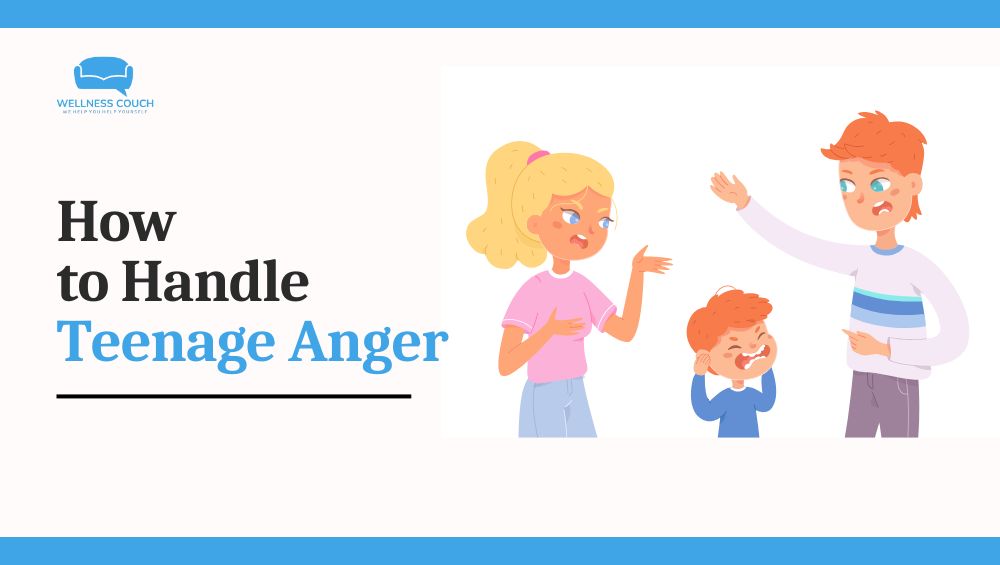
Teenage anger is a natural emotional response during adolescence caused by hormonal changes, stress, and emotional development. While occasional anger is normal, frequent or intense anger may need guidance and support to manage effectively.
What is Teenage Anger?
During adolescence, teenagers go through rapid emotional and physical changes. Anger often becomes a way to express deeper emotions such as:
- Frustration
- Fear
- Insecurity
- Hurt
While anger itself is normal, unmanaged anger can lead to behavioral issues, relationship problems, and low self-esteem.
Why Do Teenagers Feel So Angry?
Teenage anger usually develops due to a mix of internal and external factors.
Emotional & Psychological Reasons
- Hormonal changes during puberty
- Identity confusion
- Emotional sensitivity
External Factors
- Academic pressure
- Peer pressure and social media
- Bullying or exclusion
- Family conflicts
Signs of Teenage Anger You Shouldn’t Ignore
Emotional & Behavioral Signs
- Frequent anger or irritability
- Sudden mood swings
- Yelling or aggressive behavior
- Withdrawal from family and friends
Warning Signs
- Physical aggression
- Risky or harmful behavior
- Silent treatment or emotional shutdown
Note: Not all anger is loud—silence can also be a sign of emotional struggle.
Why Managing Teenage Anger is Important
Uncontrolled anger can affect:
- Academic performance
- Friendships and relationships
- Mental health (anxiety, depression)
- Self-confidence
Learning to manage anger helps teenagers develop:
- Emotional maturity
- Better communication skills
- Stronger coping abilities
How Parents Can Handle Teenage Anger
1. Stay Calm
Your reaction influences your child. A calm response helps de-escalate anger.
2. Listen Without Judging
Let your teen express feelings without fear of criticism.
3. Focus on the Problem, Not the Person
Avoid blaming. Work together to find solutions.
4. Show Understanding
Say things like:
“I understand you're upset. Let’s talk about it.”
5. Avoid Power Struggles
Trying to “win” arguments can damage trust.
Anger Management Tips for Teenagers
1. Identify Triggers
Understand what situations make you angry.
2. Pause Before Reacting
Take a few seconds to calm down before responding.
3. Practice Deep Breathing
Slow breathing helps control emotional reactions.
4. Stay Physically Active
Exercise helps release stress and anger.
5. Express Emotions
Talk to someone you trust or write your feelings in a journal.
Healthy Communication During Anger
- Use “I feel” statements instead of blaming
- Avoid shouting or name-calling
- Choose the right time to talk
- Focus on solutions, not arguments
Good communication reduces misunderstandings and strengthens relationships.
When Should You Seek Professional Help?
Seek help if:
- Anger becomes frequent or uncontrollable
- There are signs of self-harm or aggression
- It affects school performance or relationships
- Your teen feels overwhelmed most of the time
Early support can prevent long-term emotional issues.
How Wellness Couch Can Help
At Wellness Couch, we provide specialized support for teenagers and parents.
✔ Certified mental health professionals
✔ Teen therapy & counselling
✔ Parent guidance sessions
✔ Safe and confidential environment
We help:
- Manage anger and emotional outbursts
- Improve parent-teen communication
- Build emotional strength and resilience
Support Your Teen Today
Teenage anger is manageable—with the right support.
👉 Book a Free Consultation Today
👉 Talk to a Certified Therapist Online
Frequently Asked Questions (FAQs)
Q1. Is anger normal in teenagers?
Yes, it is a normal part of development, but it should be managed properly.
Q2. What causes teenage anger?
Hormonal changes, stress, peer pressure, and emotional challenges.
Q3. How can parents control teenage anger?
By staying calm, listening, and guiding instead of reacting.
Q4. When should I worry about my teen’s anger?
If it becomes aggressive, frequent, or affects daily life.
Conclusion
Teenage anger is not just “bad behavior”—it is often a sign of deeper emotional struggles. With understanding, patience, and the right strategies, both parents and teens can work together to manage anger effectively.
Supporting your teen today helps build a stronger, healthier future.